The right oil is crucial for ensuring that your storm lantern burns reliably, steadily, and as cleanly as possible. Not every fuel is suitable for a lantern with a wick. Using unsuitable oil can result in smoke, soot, unpleasant odors, or an unsteady flame.
For classic storm lanterns such as the Feuerhand Baby Special 276, you should therefore always use a suitable fuel intended for wick lamps and storm lanterns. In this guide, you will learn which oil is suitable for a storm lantern, what to look for when buying it, and which fuels you should never use.
Table of contents
Why is the right oil so important for a storm lantern?
Which oil is suitable for a storm lantern?
Lamp oil or kerosene: Which is better?
What properties should good storm lantern oil have?
Which oil should not be used in a storm lantern?
Can cooking oil be used in a storm lantern?
Can you use fragrance oil in a storm lantern?
Why does the storm lantern smoke despite using the right oil?
How does the wick affect oil combustion?
How do you put oil in a storm lantern?
How much oil goes into a storm lantern?
How long does a storm lantern burn on one tankful?
How should lamp oil be stored properly?
Do you need to remove old oil from a storm lantern?
Feuerhand Baby Special 276: Which oil is suitable?
Conclusion: Choosing the right fuel matters for a storm lantern
Frequently asked questions about oil for storm lanterns
Why is the right oil so important for a storm lantern?
A storm lantern works according to a simple but precisely coordinated principle. The fuel is held in the tank, absorbed by the wick, and transported to the flame. There it burns and produces light.
For this to work reliably, the fuel must be compatible with the lantern’s wick, burner, and airflow. If the oil is unsuitable, problems may occur. The flame may burn unevenly, produce soot, smell unpleasant, or be more difficult to regulate.
The right oil ensures that the wick can absorb the fuel evenly. At the same time, it supports the cleanest possible combustion. This interaction is particularly important for a classic cold-blast lantern such as the Feuerhand Baby Special 276.
If you would like to understand more precisely how a storm lantern works, the article “What Is a Storm Lantern? Function, Advantages, and Areas of Use” provides a simple introduction.
Which oil is suitable for a storm lantern?
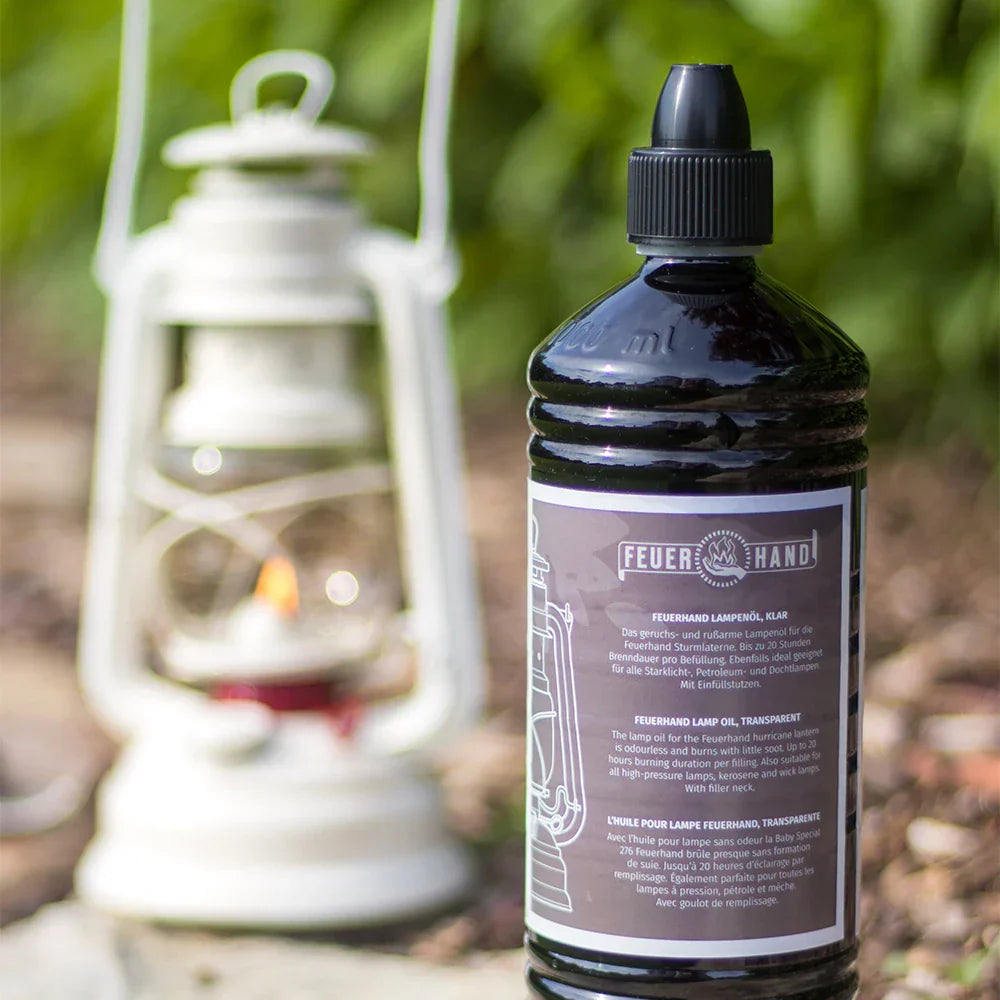
For a classic storm lantern, high-quality lamp oil or kerosene that is explicitly suitable for wick lamps, oil lamps, or storm lanterns is recommended. It is important that the fuel burns cleanly and is intended for use with a wick.
When buying, make sure the oil is suitable for storm lanterns or kerosene lanterns. The information on the packaging is especially important here. Not every decorative oil, scented oil, or household oil is suitable for a storm lantern.
You should also use only suitable fuel for the Feuerhand Baby Special 276. This allows the wick to absorb the fuel evenly, keeps the flame easier to regulate, and helps prevent the lantern from becoming dirty as quickly.
Lamp oil or kerosene: Which is better?
The terms lamp oil and kerosene are often used interchangeably in everyday language. Depending on the product, both may be suitable for storm lanterns. What matters is not just the name, but the fuel’s specific suitability.
Lamp oil is often intended for oil lamps, garden torches, or wick lamps. However, there are major differences in quality, composition, and odor. Therefore, make sure it is explicitly suitable for storm lanterns or wick lamps.
Kerosene is a traditional fuel for kerosene lamps and many storm lanterns. The same applies here: Use only products intended for lamps. Technical or unsuitable fuels can cause stronger odors, soot, or incomplete combustion.
In short: Whether lamp oil or kerosene is better depends on the product in question and the manufacturer’s recommendation. What matters is that the fuel is suitable for your storm lantern.
You can find more information about these terms in the article “Kerosene Lamp, Oil Lamp, or Storm Lantern: What’s the Difference?”.
 What properties should good storm lantern oil have?
A good oil for storm lanterns should burn as cleanly and evenly as possible. It should be suitable for wick lamps, thoroughly soak the wick, and not produce heavy smoke.
These properties are particularly important:
- suitable for wick lamps or storm lanterns
- combustion with as little soot as possible
- good wick absorption
- as odorless as possible
- clear manufacturer’s instructions for use
- safe packaging and storage instructions
Especially if you regularly use your storm lantern in the garden, on the patio, or while camping, it is worth choosing a high-quality fuel. It helps maintain a steadier flame, protects the wick, and reduces cleaning effort.
Which oil should not be used in a storm lantern?
Not every oil is suitable for a storm lantern. Some fuels are unsuitable, while others are even dangerous. Never use highly flammable liquids or fuels not intended for wick lamps.
Examples of unsuitable options include:
- gasoline
- methylated spirits
- barbecue lighter fluid
- fragrance oils
- essential oils
- cooking oil
- plant oil
- diesel
- heating oil
- other technical fuels not suitable for lamps
These liquids can cause heavy smoke, dangerous flames, unpleasant odors, wick blockages, or safety risks. Even if some oils can burn in principle, that does not mean they are suitable for a storm lantern.
A storm lantern requires suitable fuel. Therefore, you should not improvise; always use suitable lamp oil or kerosene.
Can cooking oil be used in a storm lantern?
Cooking oil is not suitable for classic storm lanterns. It is too viscous, is not transported optimally by the wick, and can lead to poor combustion. The flame may then burn unevenly, produce more soot, or go out.
Plant oils such as rapeseed oil, sunflower oil, or olive oil are also unsuitable for storm lanterns. They are not intended for use in a classic wick lantern and can dirty the wick and burner.
For reliable operation, you should therefore always use fuel specifically intended for storm lanterns or wick lamps.
Can you use fragrance oil in a storm lantern?
You should not use fragrance oil in a storm lantern. Although the idea of combining light and fragrance may seem appealing, fragrance oils are not suitable for combustion in storm lanterns.
They can smell strong, produce soot, make the flame unstable, or leave residue in the burner and on the wick. Fragrance additives can also change how the fuel burns.
If you want to create a cozy atmosphere, a clean, steady flame is the better choice. The storm lantern already creates ambiance with its warm light, entirely without added fragrances.
Why does the storm lantern smoke despite using the right oil?
A storm lantern can smoke even with suitable oil if other factors are not right. It is often caused by a wick that is set too high. If the wick is turned out too far, the flame becomes too large and no longer burns cleanly.
An unevenly trimmed wick can also cause soot. The flame will then burn crookedly or flicker. A dirty burner, sooty glass, or residue in the tank can also affect combustion.
Therefore, if your storm lantern is smoking, you should check not only the fuel but also the wick, burner, and airflow.
You can find detailed troubleshooting in the article “Storm Lantern Smoking: Causes and Simple Solutions.”
How does the wick affect oil combustion?
The wick is the connection between the tank and the flame. It absorbs the fuel and transports it to the combustion point. For this to work properly, the wick must be clean, even, and correctly adjusted.
If the wick is set too high, the flame will be too large. It may produce soot and quickly blacken the glass. If the wick is set too low, the flame will remain very small or burn unevenly. If the wick is dirty or frayed, combustion may also be less efficient.
So even the best oil will only help if the wick is also properly maintained and adjusted.
You can find more information in the article “How to Set the Wick Correctly: This Is How Your Storm Lantern Burns Evenly.”
 How do you put oil in a storm lantern?
You should proceed carefully when filling the lantern. It must be turned off and completely cooled down. Open the tank, slowly add the fuel, and make sure not to overfill it.
A small funnel can help you work neatly. You should wipe up any spilled oil immediately. The outside of the lantern should be dry before you light it.
If the wick is dry or new, give it a few minutes after filling to become fully saturated with fuel. Only then should you light the lantern.
You can find step-by-step instructions in the article “How to Use a Storm Lantern Properly: Filling, Lighting, and Extinguishing.”
How much oil goes into a storm lantern?
How much oil a storm lantern should contain depends on the model. The tank should not be overfilled. There should always be some space left so that the fuel can expand with temperature changes without leaking.
Follow the manufacturer's specifications and refill in a controlled manner rather than filling the tank to the brim. It is especially important to keep the lantern upright after filling it and to close the tank cap securely.
If you transport the lantern or store it for an extended period, the tank should not be completely full.
How long does a storm lantern burn on one tankful?
The burn time depends on several factors: tank capacity, fuel, wick height, and flame size. The higher the wick is adjusted, the brighter the lantern burns, but it also consumes more fuel.
A lower, steadily adjusted flame generally extends the burn time and reduces soot formation. It is therefore advisable not to set the flame higher than necessary.
With the Feuerhand Baby Special 276, the design is intended to provide a long, consistent burn time. However, the right combination of suitable fuel and a correctly adjusted wick remains crucial here as well.
How should lamp oil be stored properly?
Lamp oil or kerosene should always be stored safely and tightly sealed. Keep the fuel in a cool, dry place away from children. The packaging should be tightly closed and kept out of direct sunlight.
Never store fuel in beverage bottles or unlabelled containers. This can lead to dangerous mix-ups. Always use the original packaging or a suitable, clearly labelled container.
Also follow the manufacturer's instructions for storage and disposal. Fuel residue should not be poured down the drain, onto the ground, or into household waste unless this is expressly permitted.
Do you need to remove old oil from a storm lantern?
If you use your storm lantern regularly, the fuel can usually remain in the tank as long as the lantern is standing securely and the tank is tightly closed. However, if you do not use the lantern for an extended period, it may be advisable to empty the tank.
Old fuel residue, dirt, or water in the tank can impair its function. Before storing the lantern for an extended period, you should therefore inspect it, clean it, and store it in a dry place.
Especially after longer periods of disuse, it is worth carrying out a quick check before lighting the lantern again: Is the wick clean? Is the fuel still suitable? Is the tank free of residue?
Feuerhand Baby Special 276: Which oil is suitable?
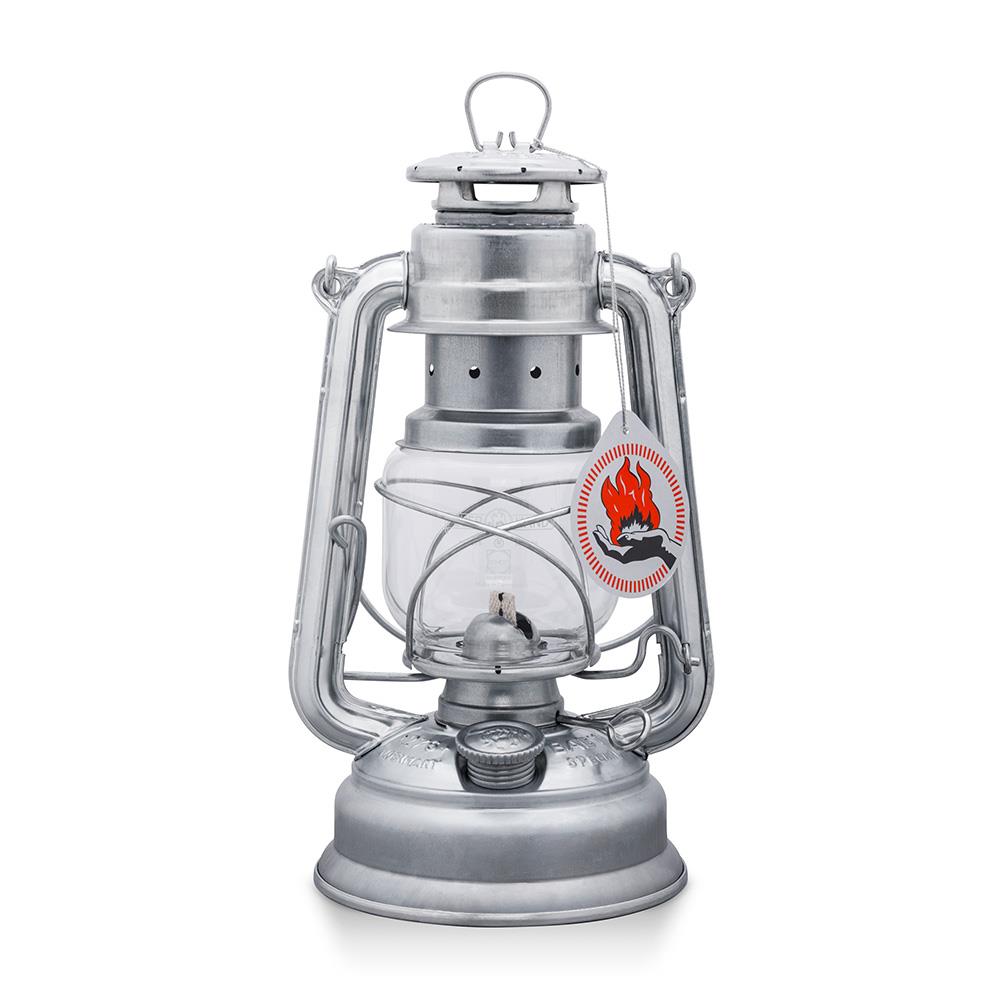
For the Feuerhand Baby Special 276, you should use a suitable fuel for storm lanterns. Depending on the manufacturer's specifications, this may be high-quality lamp oil or kerosene intended for wick lamps.
It is important that the fuel burns cleanly and is compatible with the lantern's wick system. This allows the Baby Special 276 to emit its warm, steady light while also making it easier to maintain.
The Feuerhand storm lantern is designed for simple, reliable use. With the right fuel, a properly adjusted wick, and regular maintenance, it remains a durable light source for gardens, patios, balconies, and camping.
Conclusion: Choosing the right fuel matters for a storm lantern
For a storm lantern, you should use only suitable lamp oil or kerosene explicitly intended for wick lamps or storm lanterns. The right fuel ensures a steady flame, less soot, and reliable operation.
Cooking oil, scented oil, gasoline, methylated spirits, barbecue lighter fluid, and other improvised fuels are not suitable. They can dirty the lantern, make the flame uncontrollable, or be dangerous.
When the fuel, wick, and maintenance are properly matched, your storm lantern burns evenly and reliably. Outdoors, it provides not only light but also creates the very atmosphere for which classic lanterns have been valued for generations.
Frequently asked questions about oil for storm lanterns
What oil does a storm lantern need?
A storm lantern requires suitable lamp oil or kerosene explicitly intended for wick lamps, oil lamps, or storm lanterns. Always follow the manufacturer's specifications for your lantern.
Can you use regular cooking oil in a storm lantern?
No, cooking oil is not suitable for classic storm lanterns. It is too viscous, does not burn cleanly, and can contaminate the wick and burner.
Can you put scented oil in a storm lantern?
No, scented oil should not be used in a storm lantern. Fragrances can alter the way it burns, leave residue, and cause soot or odors.
Is lamp oil or kerosene better for a storm lantern?
Both may be suitable if they are explicitly intended for wick lamps or storm lanterns. The quality of the fuel and the manufacturer's recommendation are decisive.
Why is my storm lantern producing soot despite using lamp oil?
The wick is often set too high, cut unevenly, or the burner is dirty. Unsuitable fuel can also cause soot.
How full can you fill a storm lantern?
The tank should not be filled to the brim. Always leave some space so the fuel can expand without spilling.
How should lamp oil be stored safely?
Lamp oil should be stored tightly sealed, in a cool, dry place, and out of reach of children. It should always be clearly labeled and, if possible, kept in its original packaging.